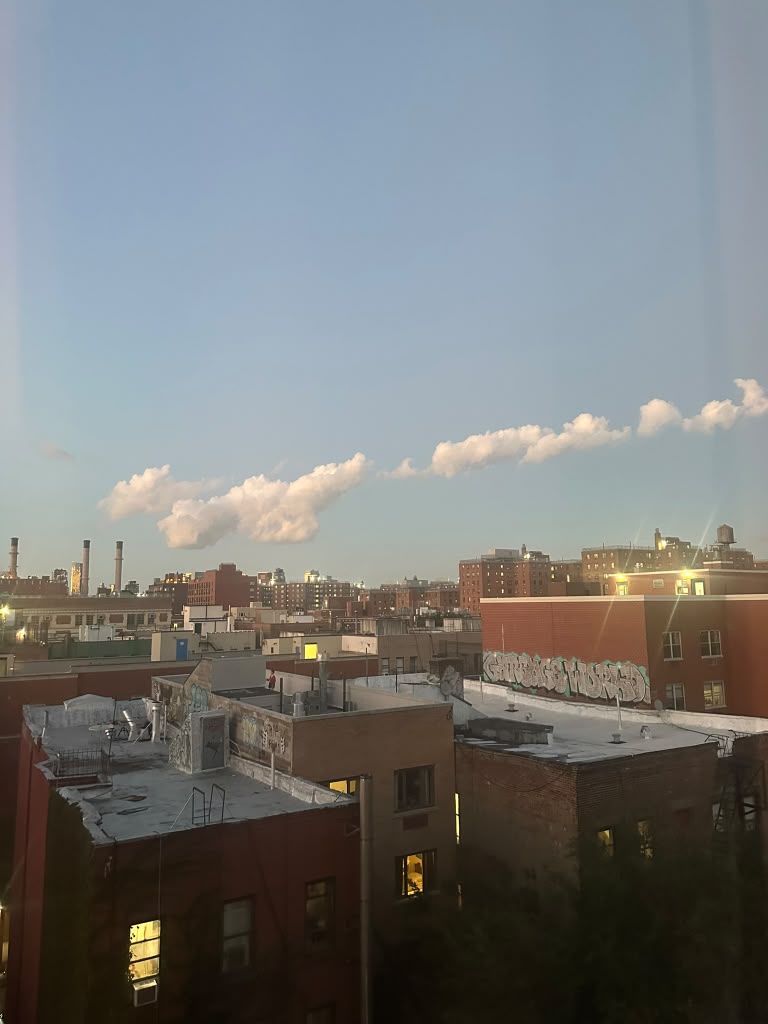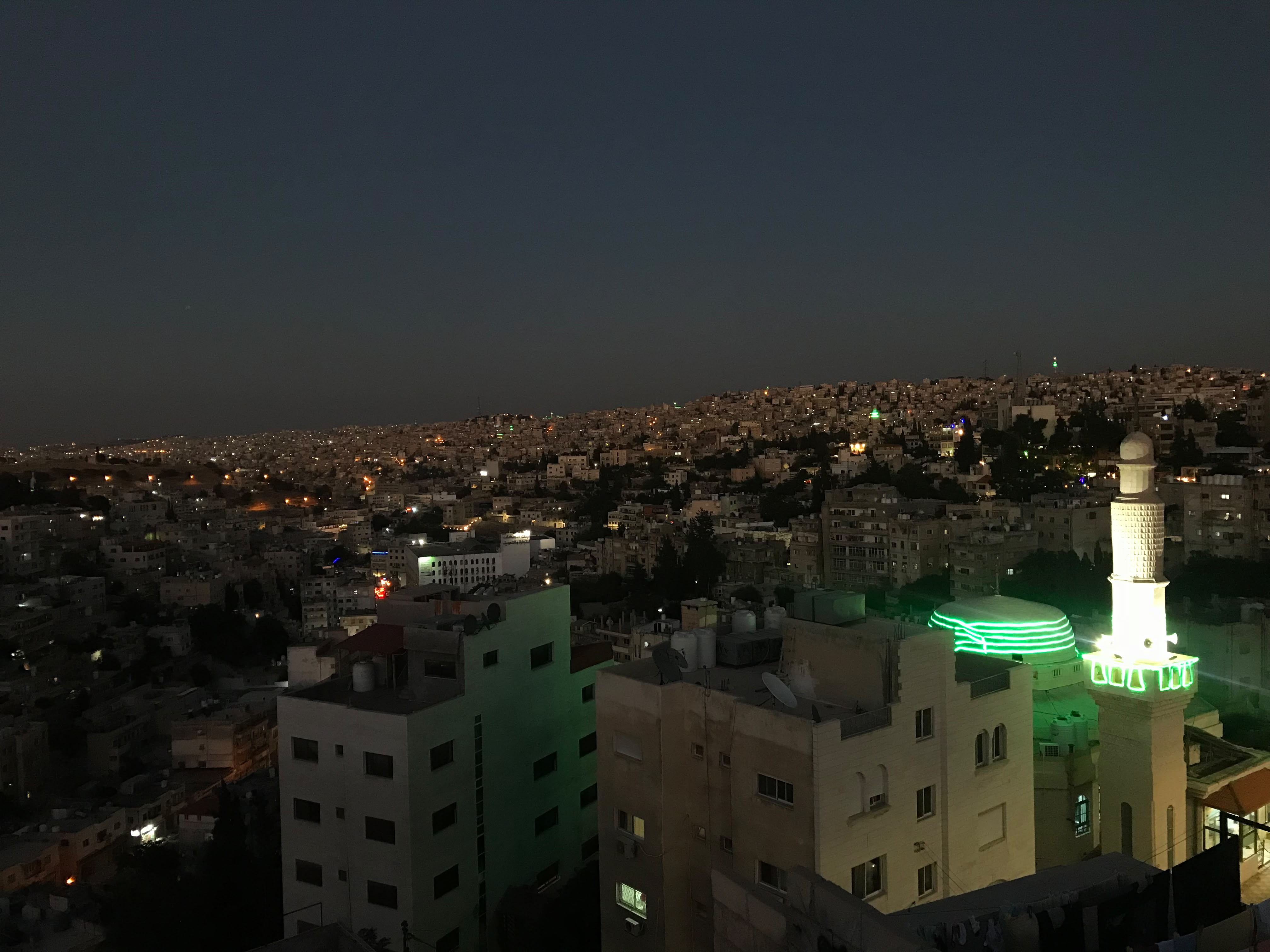
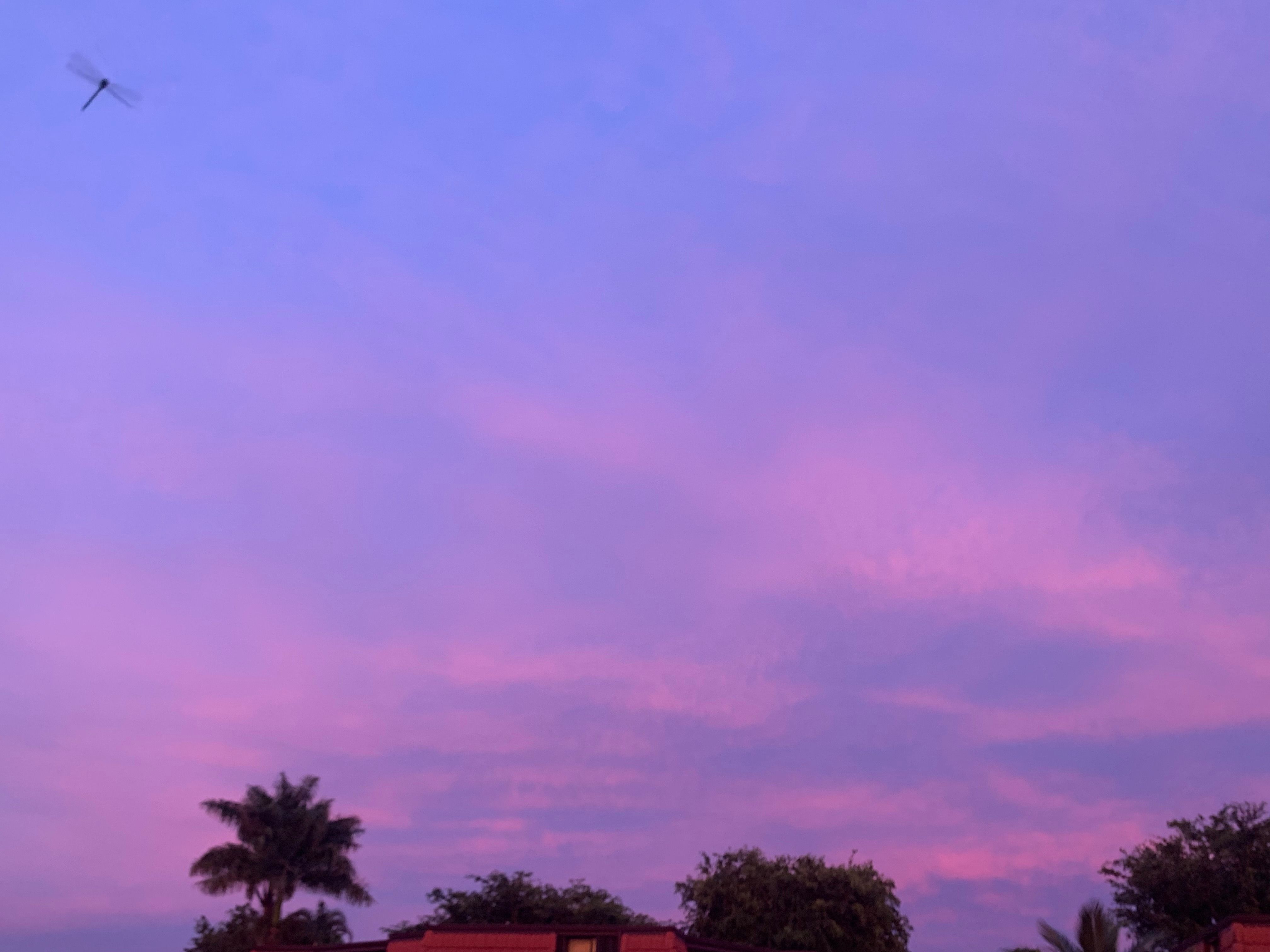
In certain latitudes there comes a span of time approaching and following the summer solstice, some weeks in all, when the twilights turn long and blue…
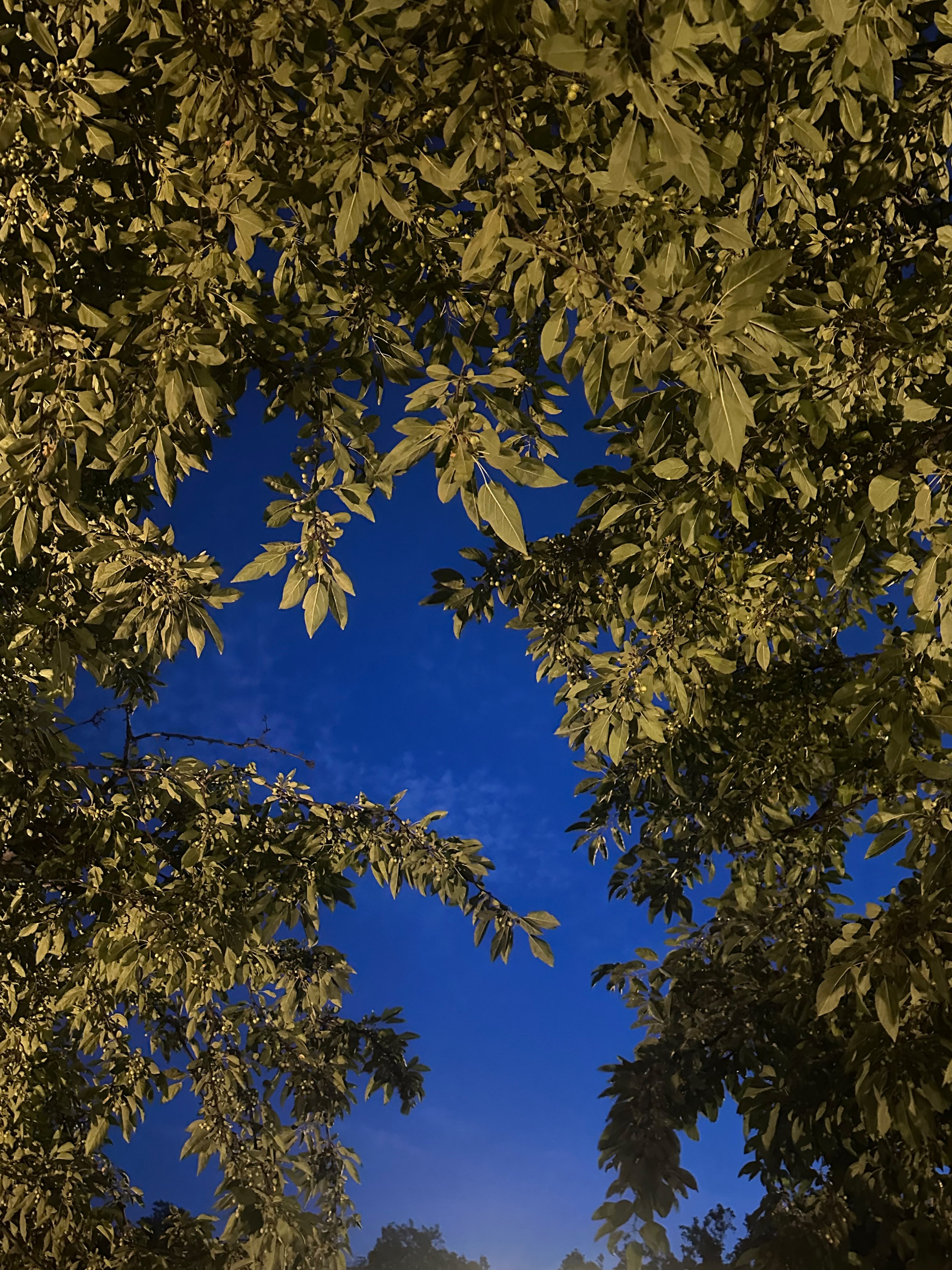
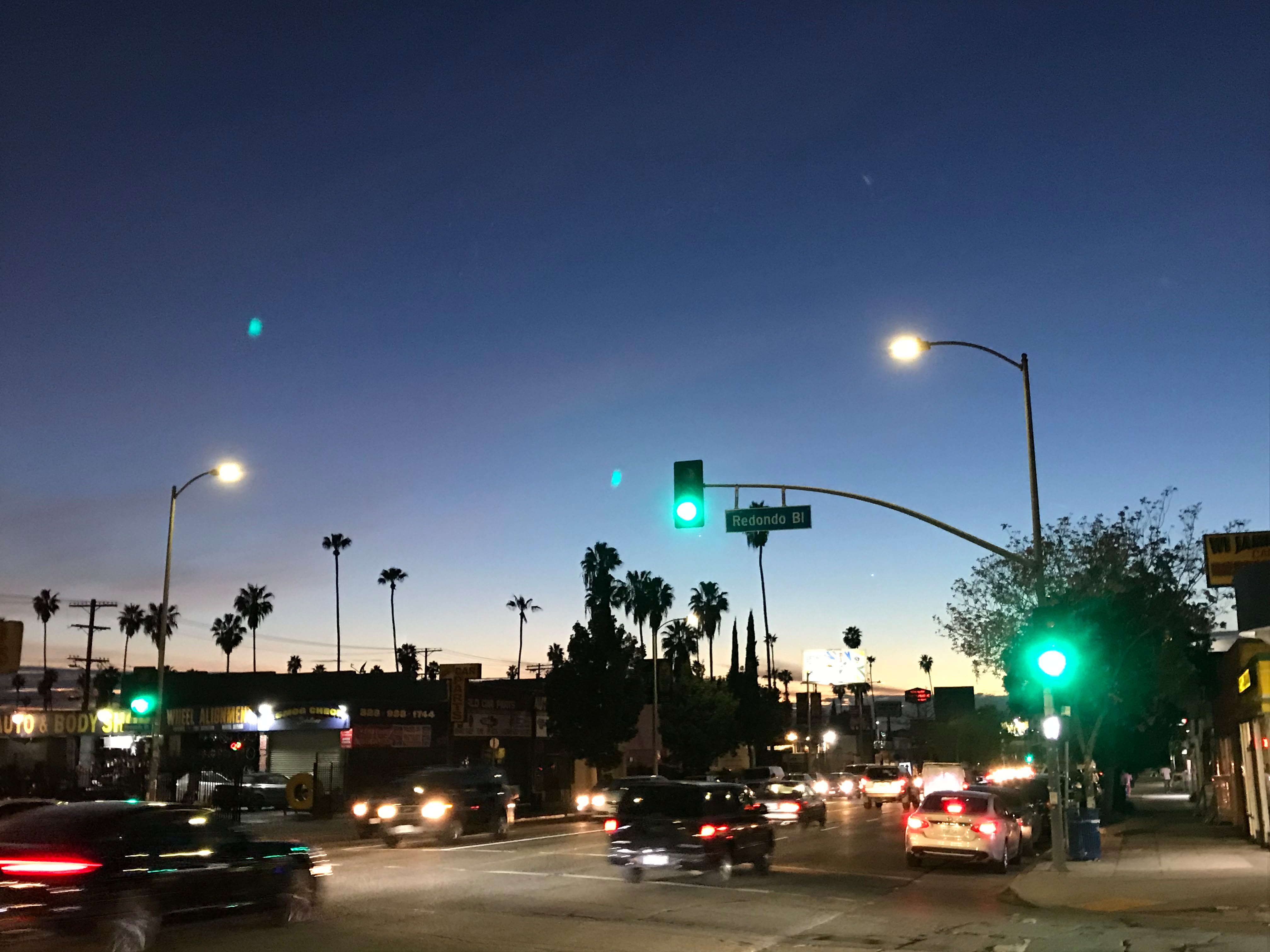
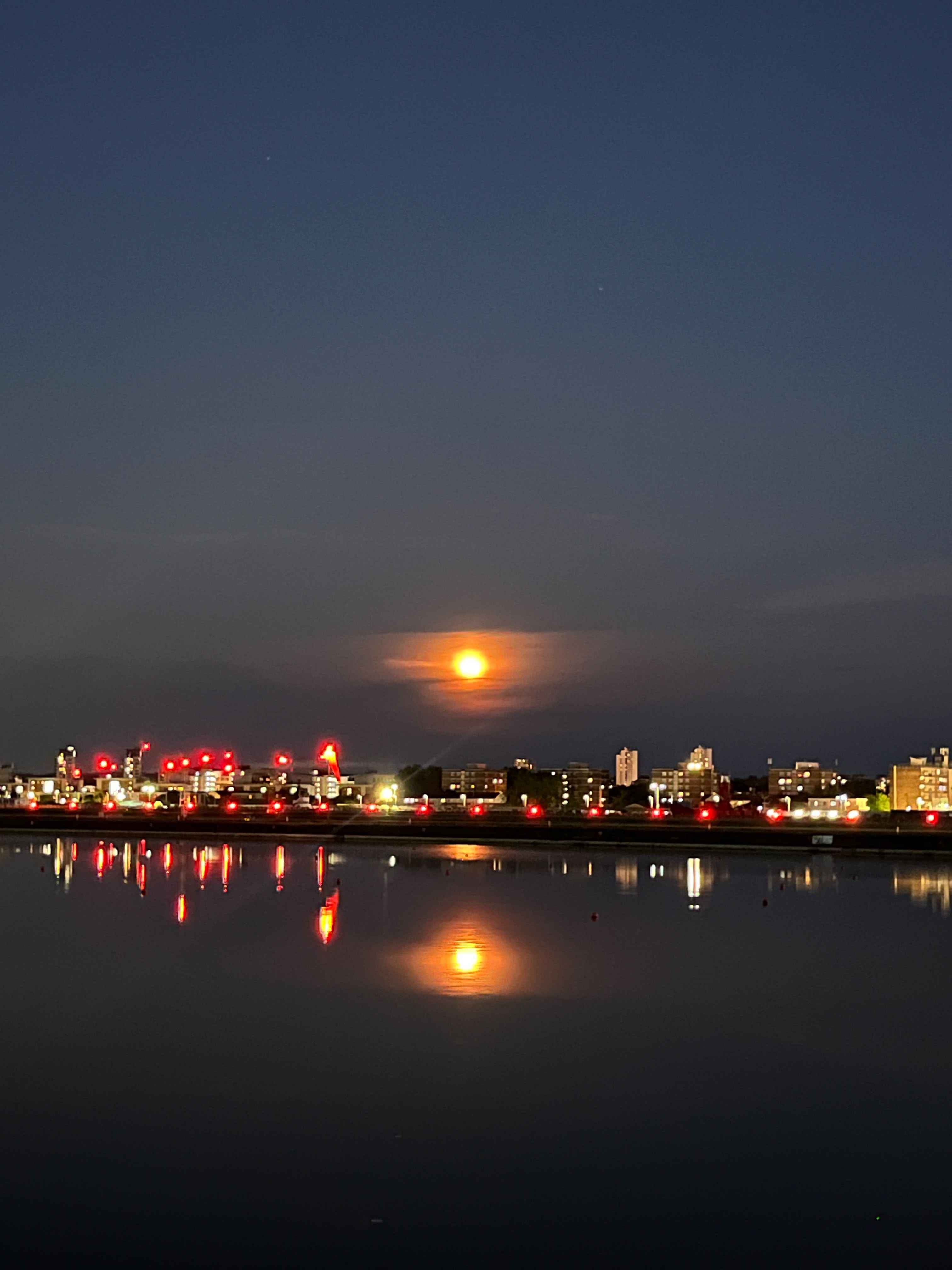
As the day comes to an end, the twilight dissolves the surfaces, absorbing their colors, leaving their reflections suspended in space.
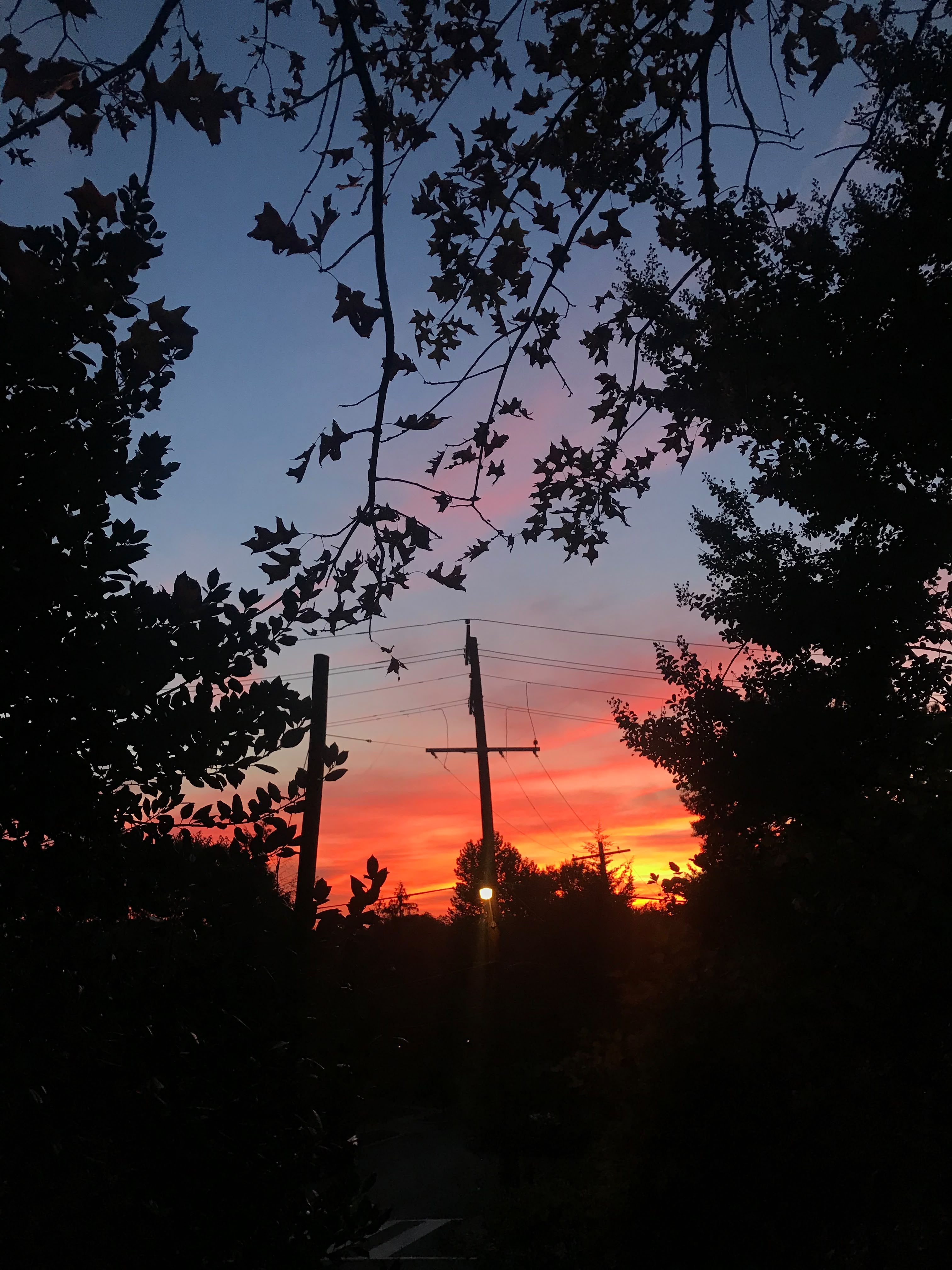
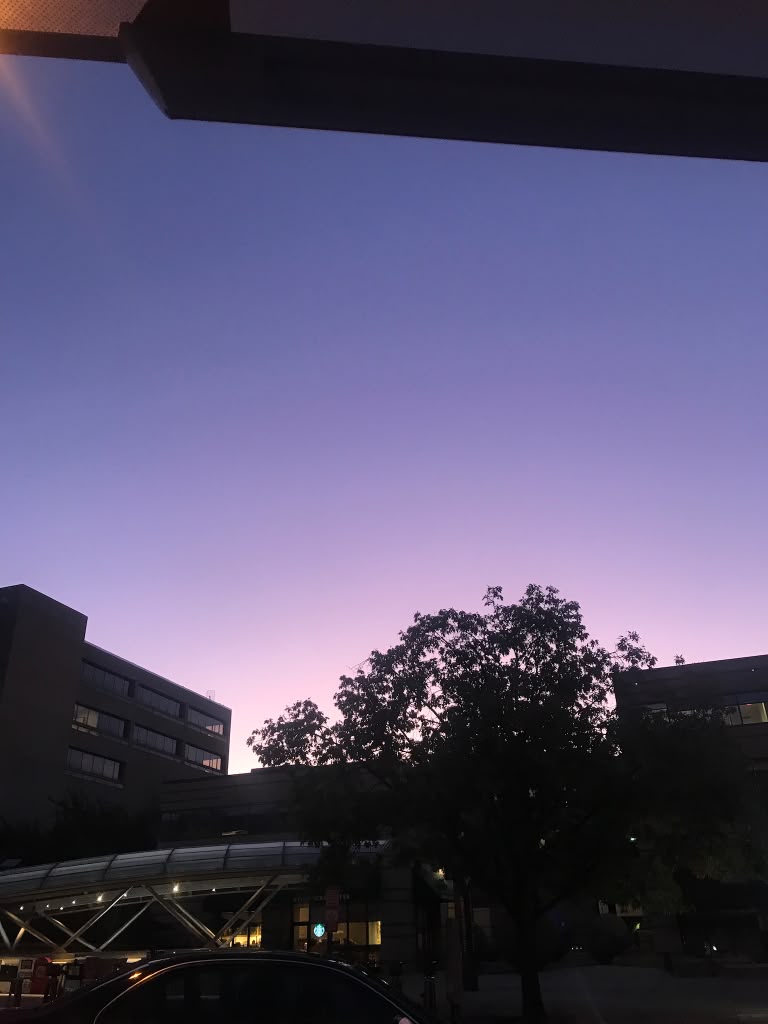
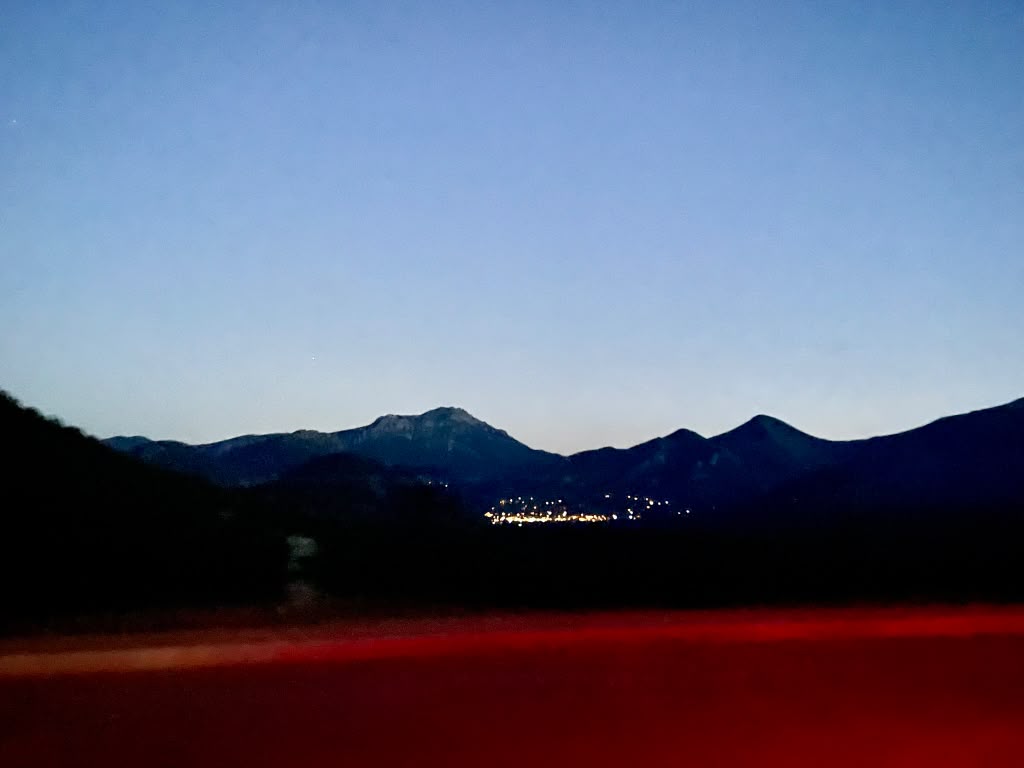
The luminous transparency in open spaces condenses into beams and phosphorescence... along city streets the shop windows, restaurants, bars and discos enclose twilight havens where the hard edges of things are softened into glows and reflections...
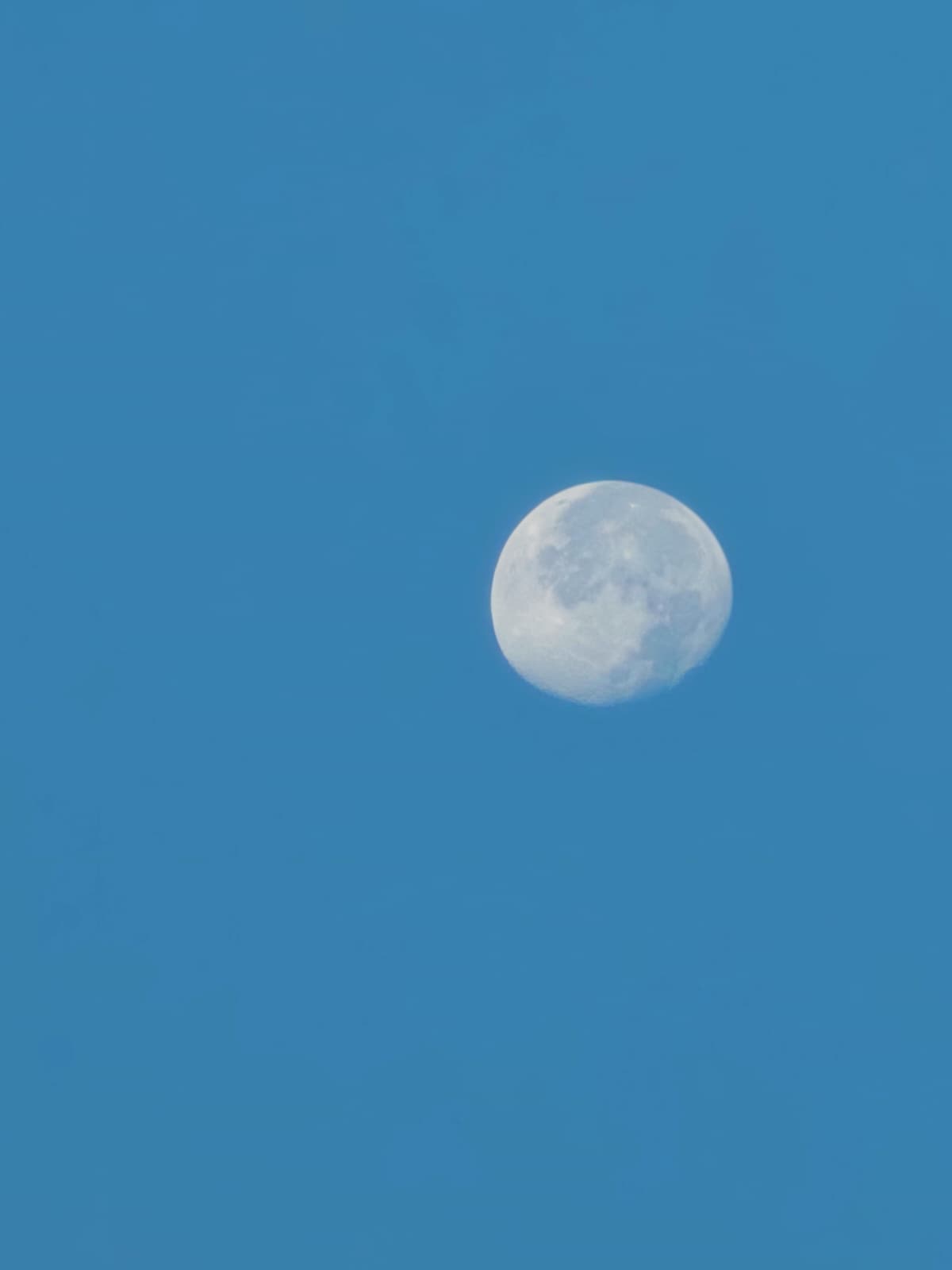
The visible night gives way to a high noon of sounds, odors, and textures...
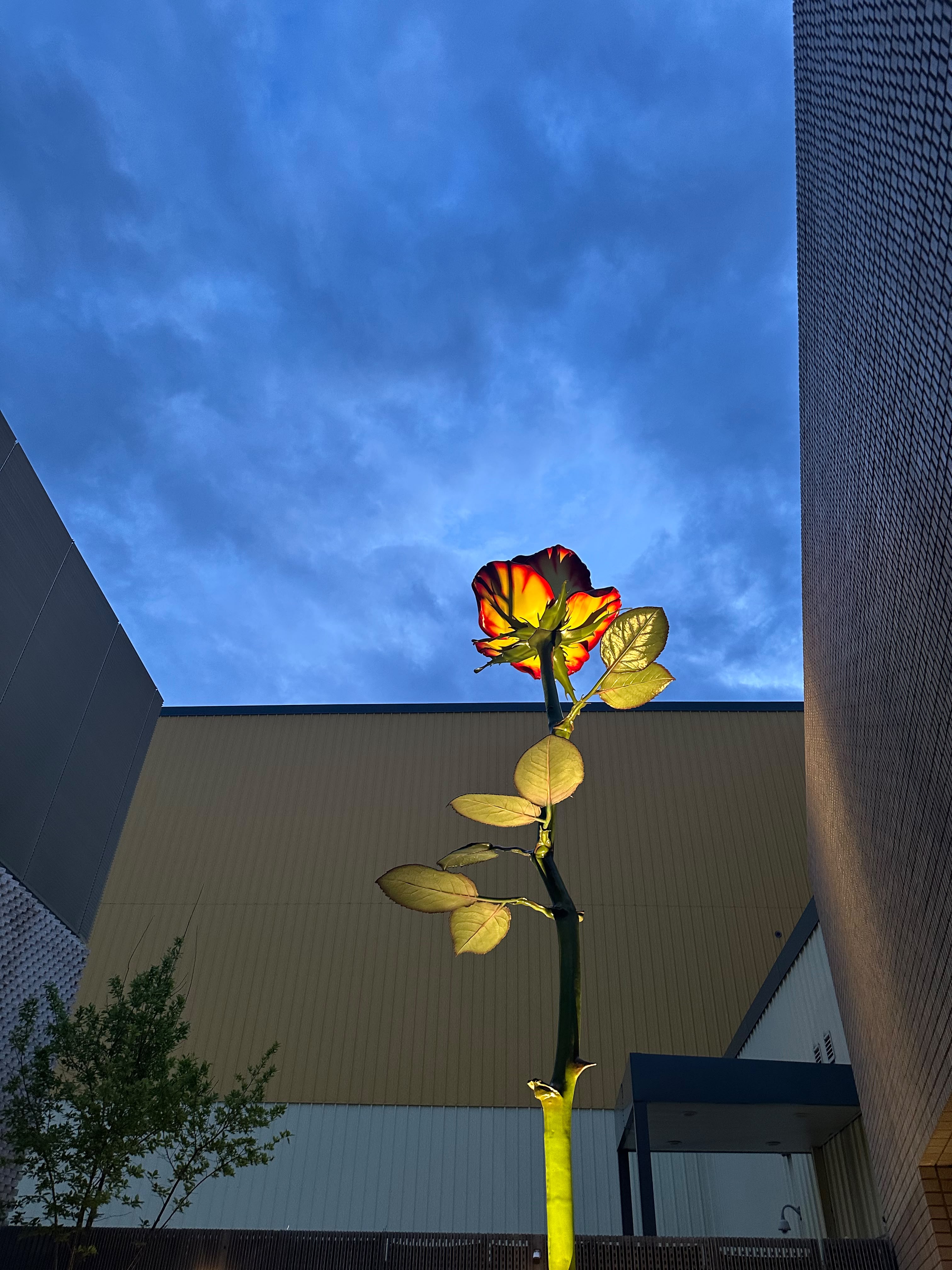
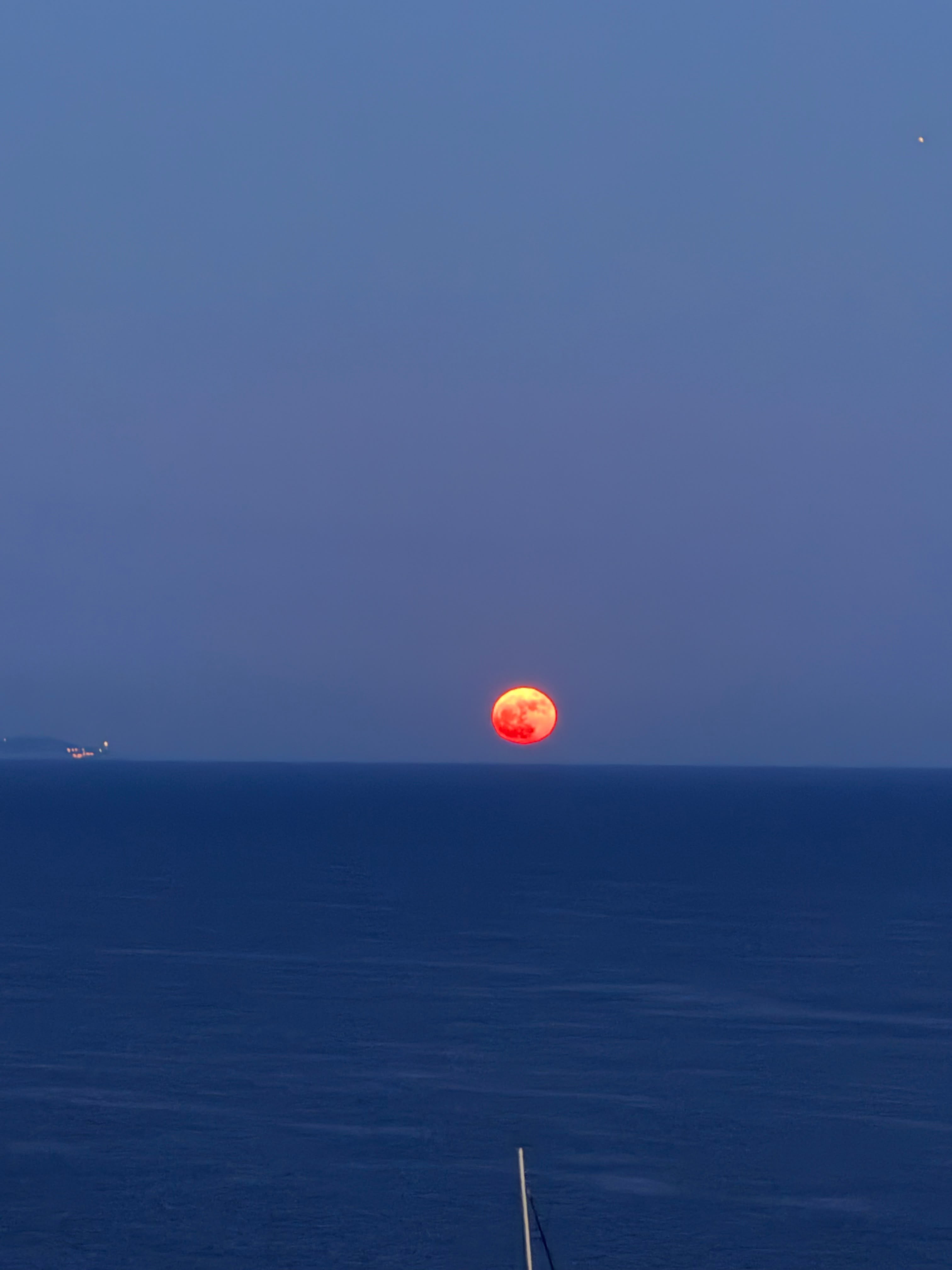
You pass a window, you walk to Central Park, you find yourself swimming in the color blue: the actual light is blue, and over the course of an hour or so this blue deepens, becomes more intense even as it darkens and fades...
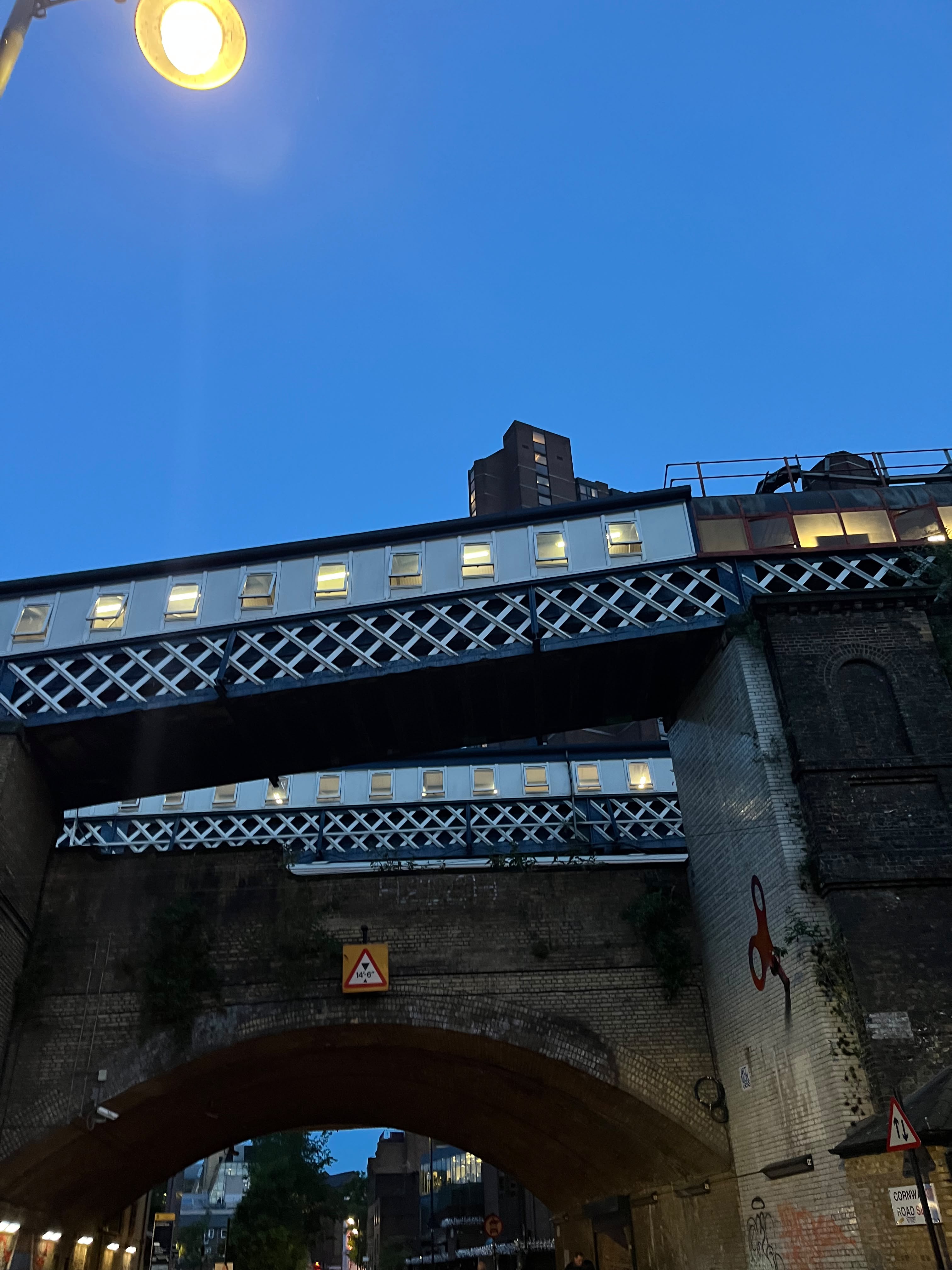
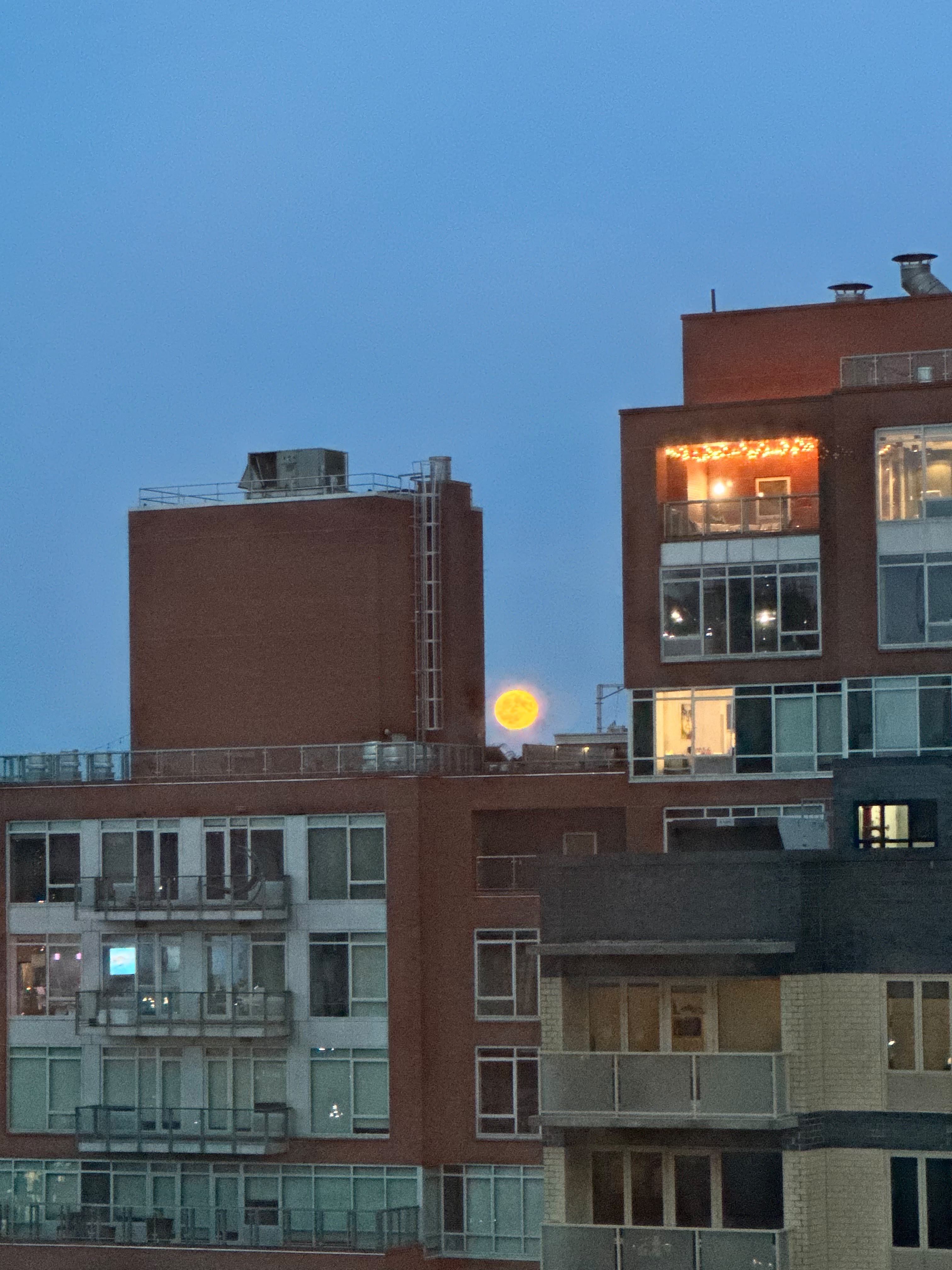
The French called this time of day “l’heure bleue.” To the English it was “the gloaming.” The very word “gloaming” reverberates, echoes— the gloaming, the glimmer, the glitter, the glisten, the glamour—carrying in its consonants the images of houses shuttering, gardens darkening, grass-lined rivers slipping through the shadows.
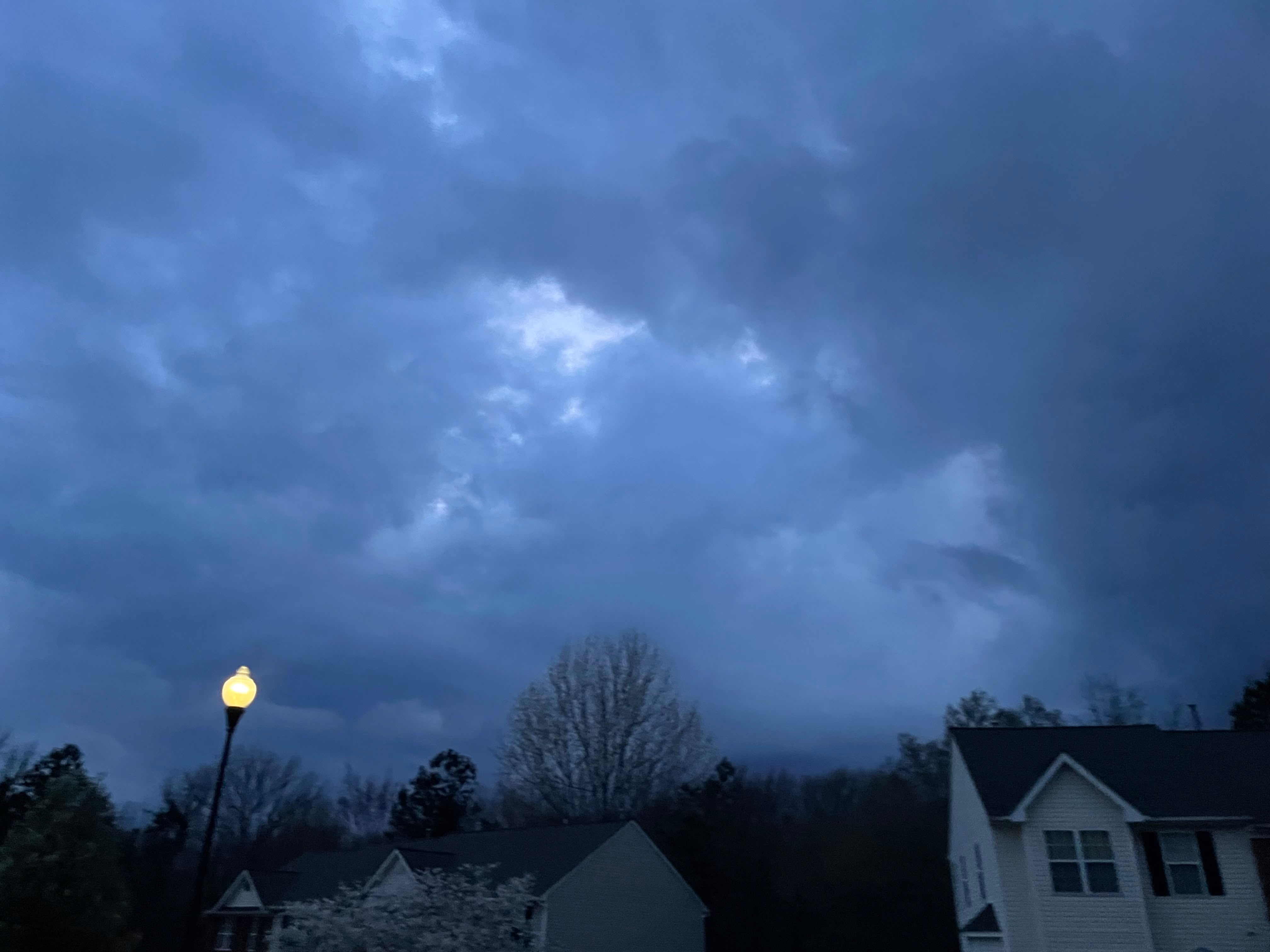
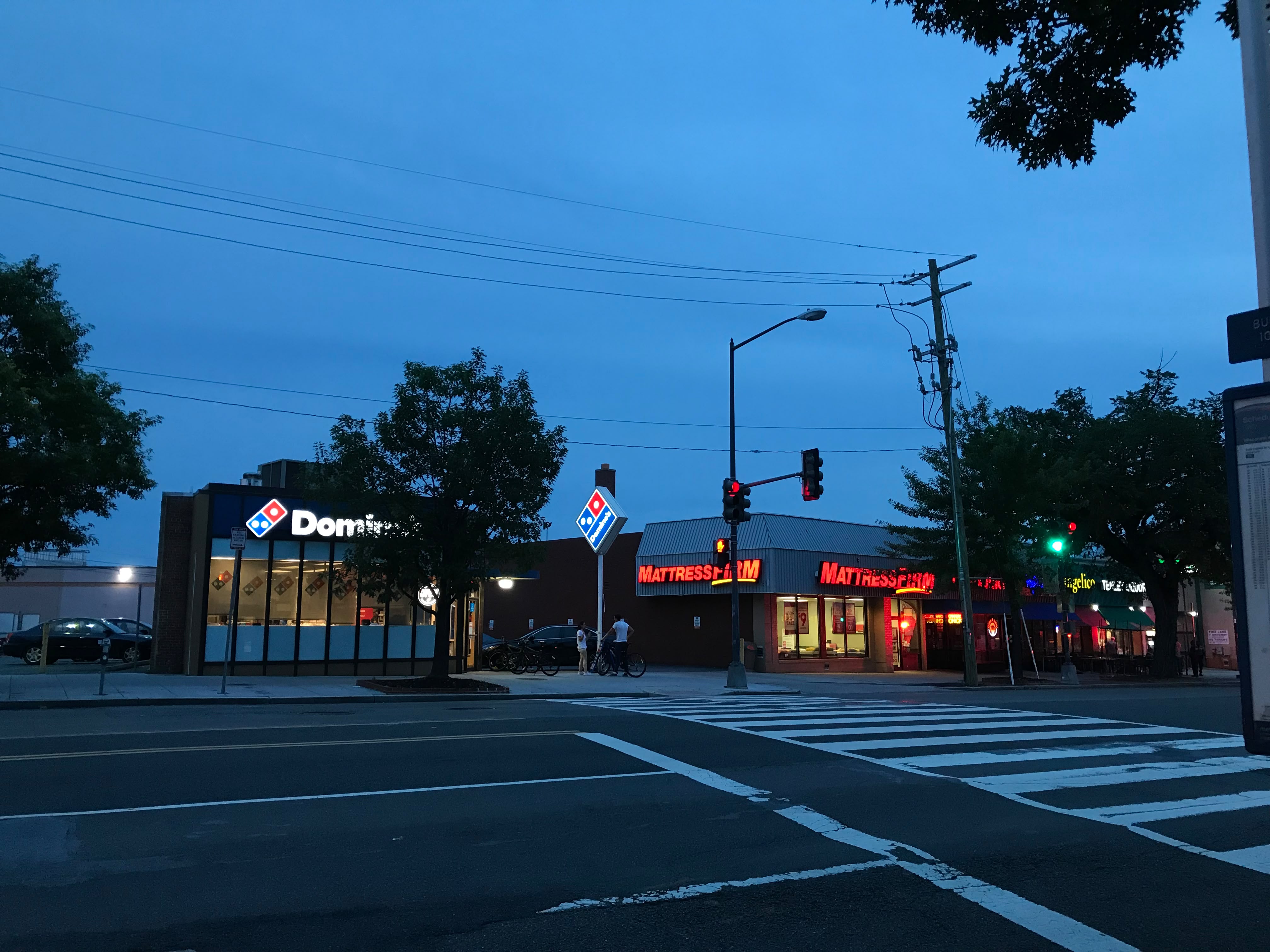
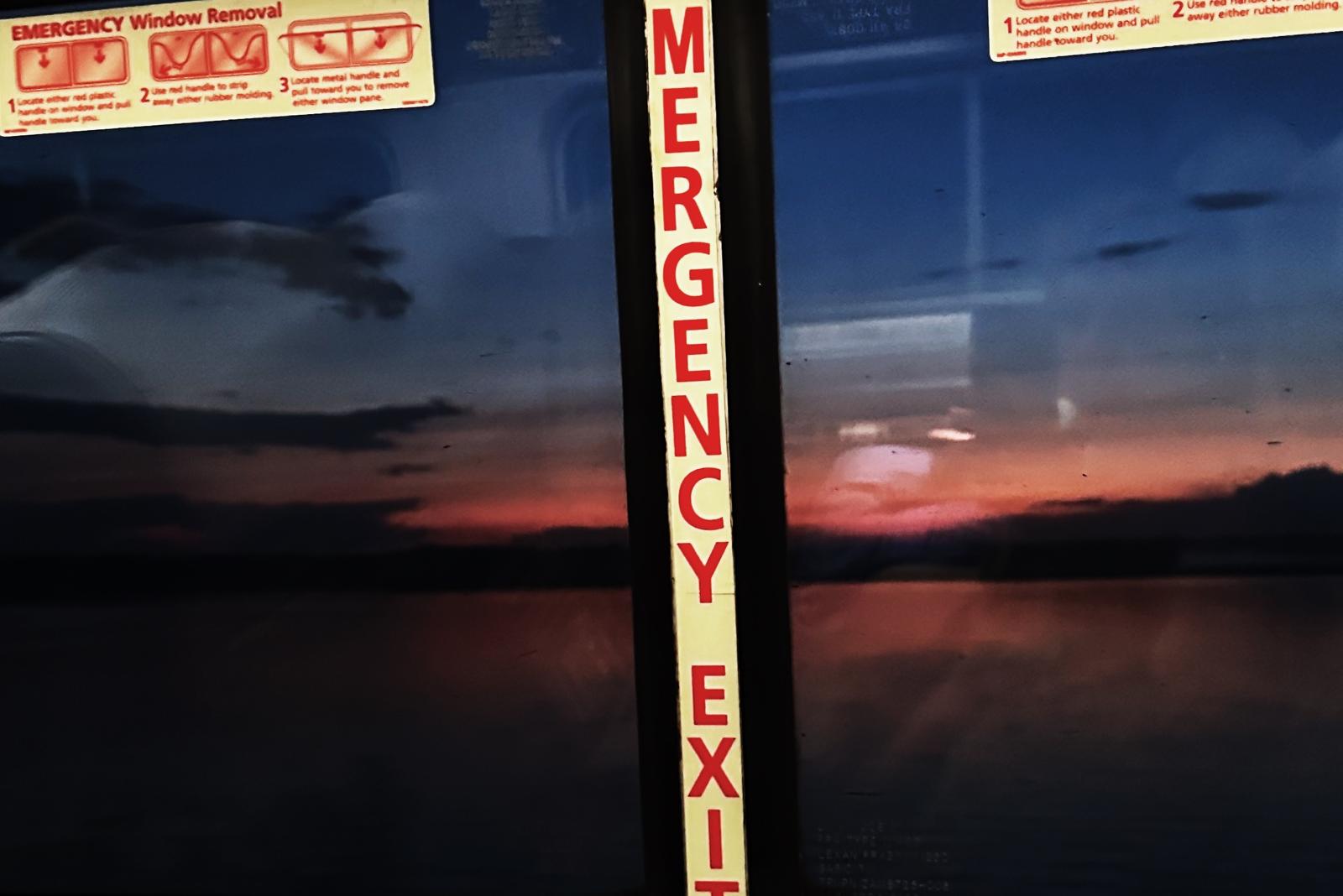
During the blue nights you think the end of day will never come.
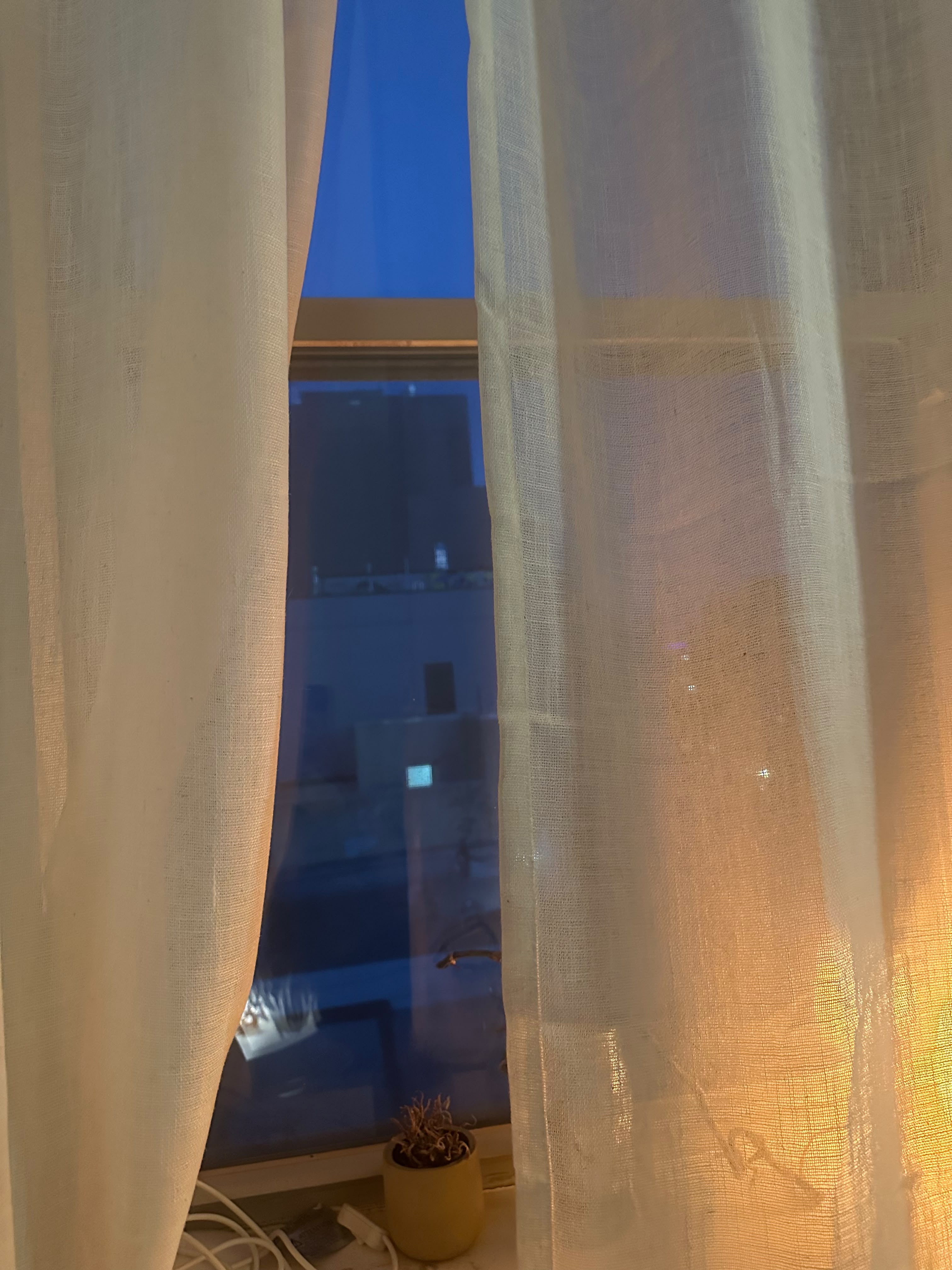
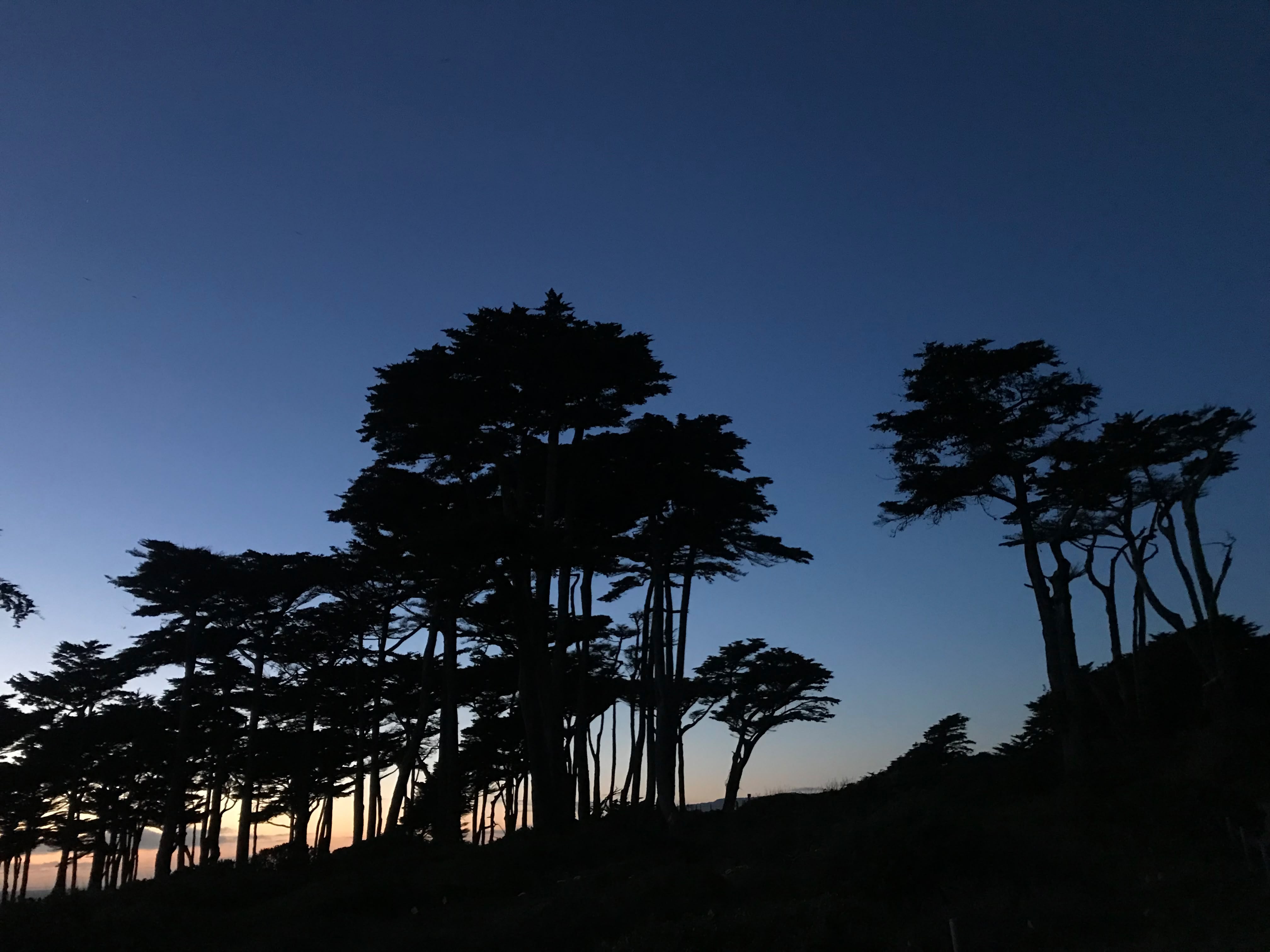
As the blue nights draw to a close (and they will, and they do) you experience an actual chill, an apprehension of illness, at the moment you first notice: the blue light is going, the days are already shortening, the summer is gone.